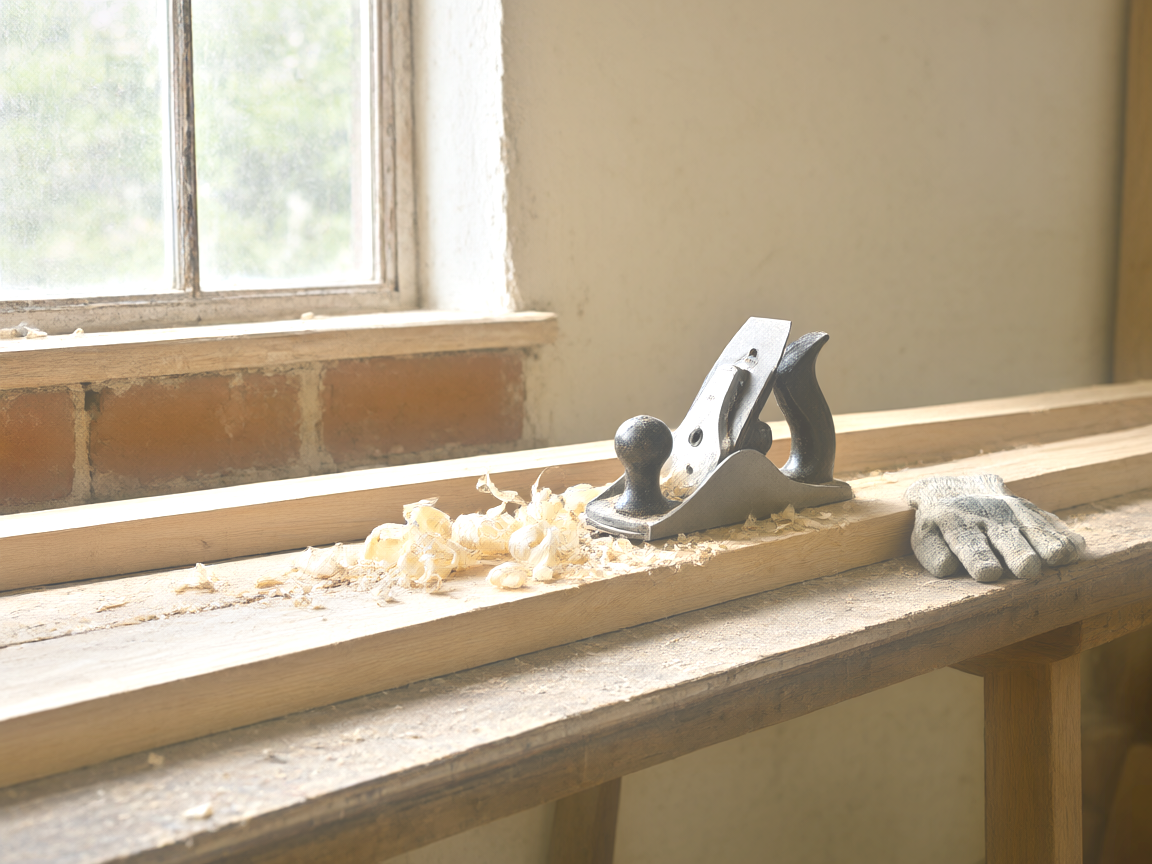
1,000 homes repaired or rebuilt after Helene
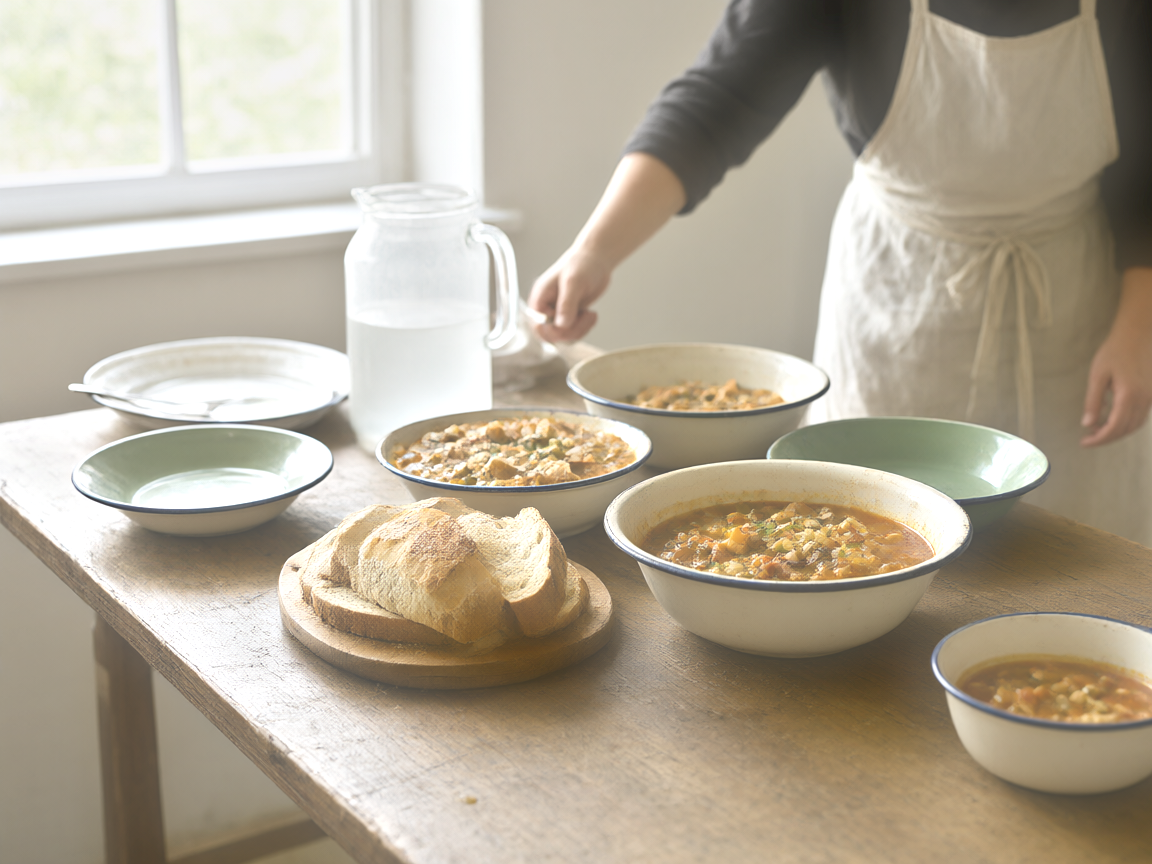
More than 450,000 hot meals prepared, 30,000 volunteers through, rebuild centers open across six towns, work continuing.
Two autumns after Hurricane Helene came down the mountains, the work in western North Carolina has outlived the news cycle that announced it. Baptists on Mission — the relief arm of the North Carolina Baptist churches — reports that more than 450,000 hot meals have been prepared and handed out across the affected counties, more than 30,000 volunteers have come through mud-outs, tree removal and rebuild work, and over 1,000 homes have been repaired or rebuilt.
The rebuild centers are the part we find worth printing. There is one at East Flat Rock, one at Black Mountain, and ones at Burnsville, Spruce Pine, Boone and Marion. That is not a press-release map — it is a list of places where someone can turn up and be put to work.
One more detail, and it is the detail that made us glad: volunteers are asked for a $20 per person per day contribution toward their own meals and lodging. The point of asking is that donated money then goes to timber, nails and roofing rather than to feeding the people doing the building.
The work is multi-year. Nobody has declared it finished, and the organization has not said it will be finished soon. If you know a congregation near any of those towns, that is where it can be joined.
Where these figures come from. Every number above is Baptists on Mission's own published account of its Hurricane Helene response, including the $20 per-day volunteer contribution. We have not audited it independently and we are not claiming we have — the organization is named and linked, and that is the standard this paper holds.
Our name is a church's slogan. We would rather it were a standard, so we use it as one — it is what a story is measured against before it goes in the paper.
Did something actually get better, for a person or a place that can be named? If nothing changed, it is an announcement, not news.
Is it worth telling? We want you to finish the piece glad rather than merely informed. That is a low bar and it rules out a lot.
Does the record hold? Who, where, when, and which organization published it. If we cannot say who, we do not print it.
Rows in this ledger come from the organizations' own published accounts of their work. Each one names who reported it. We do not add them up into a grand total — they count different things.
More than 450,000 hot meals prepared, 30,000 volunteers through, rebuild centers open across six towns, work continuing.
Around 12,100 families assisted across 32 disaster responses — Helene, Milton, tornadoes, floods and the New Mexico wildfires.
Among 99 disaster and crisis responses in 2024, 53 domestic and 46 international, with 39,000 people trained in agriculture.
4,153,852 people reached directly across 395 projects, 57 percent of them women and girls.
Most figures in the world of charity reporting are published by the charity that did the work. That is normal, and it is not dishonest — it is just not the same thing as an audit. We handle it the plain way.
Send us the who, the where and the what. If you have a link to a report or a public page about it, include it — that is the part that makes it printable.
One line of code puts the week's ledger on your own site — your colors are untouched, and it is a plain block you can place anywhere.